Welcome back to the table. It is an absolute privilege to open the Word with you again under this strict, unyielding Berean standard. When we strip away Sunday-school pleasantries and look at the raw political, historical, and linguistic data of the text, the Bible stops being a book of moral suggestions and reveals itself as a masterclass in divine intelligence.
The event known as “Paying Taxes to CaesarCaesar was the title used for the emperors of Rome, representing the highest political, military, and religious authority in the empire. In the New Testament, “Caesar” symbolizes earthly power, taxation, and imperial claims to divinity — forming the backdrop of Jesus’ teaching on allegiance in Matthew 22. More” (recorded in , , and ) is widely taught today as a simple instruction to pay your income tax. But when we run the archaeological and historical diagnostic, we find that JesusJesus of Nazareth, also called the Christ or the Messiah, is the central figure of the New Testament and the fulfillment of God’s redemptive plan. Born in the line of David, He taught with divine authority, performed miracles, and revealed the kingdom of God. More was not giving tax advice. He was dismantling a lethal political assassination attempt using the exact physics of .
Let’s reconstruct the scene, frame by frame.
1. The Lethal Setup: The Catch-22
To understand the tension of this moment, we have to look at the historical timeline. In 6 AD (when JesusJesus of Nazareth, also called the Christ or the Messiah, is the central figure of the New Testament and the fulfillment of God’s redemptive plan. Born in the line of David, He taught with divine authority, performed miracles, and revealed the kingdom of God. More was a young boy), a man named Judas of Galilee led a bloody, violent rebellion against RomeRome was the dominant empire during the time of Jesus and the early church. Its political power, legal system, taxation, military presence, and cultural influence form the backdrop of the New Testament. Rome’s authority frames key events such as Jesus’ trial, Paul’s missionary journeys, and the destruction of Jerusalem. More specifically over the imperial census tax (the “poll tax”). This rebellion is historically verified by the Jewish historian JosephusFlavius Josephus was a first‑century Jewish historian whose writings provide the most detailed account of Judaism, Rome, and early Christianity outside the Bible. His works preserve crucial historical context for the Second Temple period, the Jewish Revolt, and figures such as the Pharisees, Sadducees, Herod, Pilate, and even Jesus. More and the biblical scripture itself in ().
In 1st-century JudeaJudea was the southern region of ancient Israel during the time of Jesus, governed by Rome and centered around Jerusalem and the Temple. It formed the political, religious, and cultural heart of Jewish life, and serves as the primary setting for Jesus’ ministry, His trial, and the early church. More, the subject of the Roman tax was explosive. People died over it.
Enter the operatives. (KJV) records:
“Then went the PhariseesThe Pharisees were a prominent Jewish religious sect during the Second Temple period, known for their strict adherence to oral tradition, legal precision, and public displays of righteousness. They frequently clashed with Jesus, whose teachings exposed their hypocrisy, spiritual blindness, and misuse of Scripture. More, and took counsel how they might entangle him in his talk. And they sent out unto him their disciples with the Herodians…”
The Political Anomaly: The PhariseesThe Pharisees were a prominent Jewish religious sect during the Second Temple period, known for their strict adherence to oral tradition, legal precision, and public displays of righteousness. They frequently clashed with Jesus, whose teachings exposed their hypocrisy, spiritual blindness, and misuse of Scripture. More and the HerodiansThe Herodians were a political faction in first‑century Judea aligned with the dynasty of Herod. They were not a religious sect but a group loyal to Herod’s rule and Roman authority. Their alliance with the Pharisees against Jesus reveals how political power can merge with religious influence to oppose God’s truth. More hated each other.
-
The PhariseesThe Pharisees were a prominent Jewish religious sect during the Second Temple period, known for their strict adherence to oral tradition, legal precision, and public displays of righteousness. They frequently clashed with Jesus, whose teachings exposed their hypocrisy, spiritual blindness, and misuse of Scripture. More were strict religious nationalists who believed paying the tax to a paganPagan refers to the non‑Jewish, non‑Christian religious systems of the ancient world — polytheistic, idol‑centered, and rooted in nature worship, mythology, and regional deities. In Scripture, paganism represents worship directed toward created things rather than the Creator, and it forms the backdrop of Israel’s covenant struggle and the early church’s mission. More emperorThe Emperor was the supreme ruler of the Roman Empire, holding ultimate political, military, and religious authority. In the New Testament world, the emperor embodied Rome’s power, taxation, and imperial cult — forming the backdrop of Jesus’ teaching on allegiance and the early church’s mission. More was blasphemyBlasphemy is any speech, action, or claim that dishonors God, profanes His name, or falsely attributes divine authority to oneself. In Scripture, blasphemy is a serious offense because it attacks God’s holiness, misrepresents His character, and undermines His rightful authority. More against God.
-
The HerodiansThe Herodians were a political faction in first‑century Judea aligned with the dynasty of Herod. They were not a religious sect but a group loyal to Herod’s rule and Roman authority. Their alliance with the Pharisees against Jesus reveals how political power can merge with religious influence to oppose God’s truth. More were political sellouts who derived their power directly from RomeRome was the dominant empire during the time of Jesus and the early church. Its political power, legal system, taxation, military presence, and cultural influence form the backdrop of the New Testament. Rome’s authority frames key events such as Jesus’ trial, Paul’s missionary journeys, and the destruction of Jerusalem. More and fully supported the tax.
These two mortal enemies formed a temporary alliance to execute a flawless “Catch-22” trap.
They ask JesusJesus of Nazareth, also called the Christ or the Messiah, is the central figure of the New Testament and the fulfillment of God’s redemptive plan. Born in the line of David, He taught with divine authority, performed miracles, and revealed the kingdom of God. More: “Is it lawful to give tribute unto CaesarCaesar was the title used for the emperors of Rome, representing the highest political, military, and religious authority in the empire. In the New Testament, “Caesar” symbolizes earthly power, taxation, and imperial claims to divinity — forming the backdrop of Jesus’ teaching on allegiance in Matthew 22. More, or not?”
If JesusJesus of Nazareth, also called the Christ or the Messiah, is the central figure of the New Testament and the fulfillment of God’s redemptive plan. Born in the line of David, He taught with divine authority, performed miracles, and revealed the kingdom of God. More answers “Yes”, the PhariseesThe Pharisees were a prominent Jewish religious sect during the Second Temple period, known for their strict adherence to oral tradition, legal precision, and public displays of righteousness. They frequently clashed with Jesus, whose teachings exposed their hypocrisy, spiritual blindness, and misuse of Scripture. More will instantly brand Him a traitor to IsraelIsrael is the covenant people chosen by Yahweh, descended from Jacob, set apart to bear God’s name, receive His promises, and reveal His character to the nations. More and a blasphemer, and the crowds will turn on Him.
If JesusJesus of Nazareth, also called the Christ or the Messiah, is the central figure of the New Testament and the fulfillment of God’s redemptive plan. Born in the line of David, He taught with divine authority, performed miracles, and revealed the kingdom of God. More answers “No”, the HerodiansThe Herodians were a political faction in first‑century Judea aligned with the dynasty of Herod. They were not a religious sect but a group loyal to Herod’s rule and Roman authority. Their alliance with the Pharisees against Jesus reveals how political power can merge with religious influence to oppose God’s truth. More will instantly have Him arrested for sedition and treason against RomeRome was the dominant empire during the time of Jesus and the early church. Its political power, legal system, taxation, military presence, and cultural influence form the backdrop of the New Testament. Rome’s authority frames key events such as Jesus’ trial, Paul’s missionary journeys, and the destruction of Jerusalem. More, and He will be executed.
2. The Archaeological Hardware: The Denarius
JesusJesus of Nazareth, also called the Christ or the Messiah, is the central figure of the New Testament and the fulfillment of God’s redemptive plan. Born in the line of David, He taught with divine authority, performed miracles, and revealed the kingdom of God. More does not answer with a simple yes or no. He asks for the physical hardware.
(KJV):
“Shew me the tribute money. And they brought unto him a penny [a denarius]. And he saith unto them, Whose is this image and superscription?”
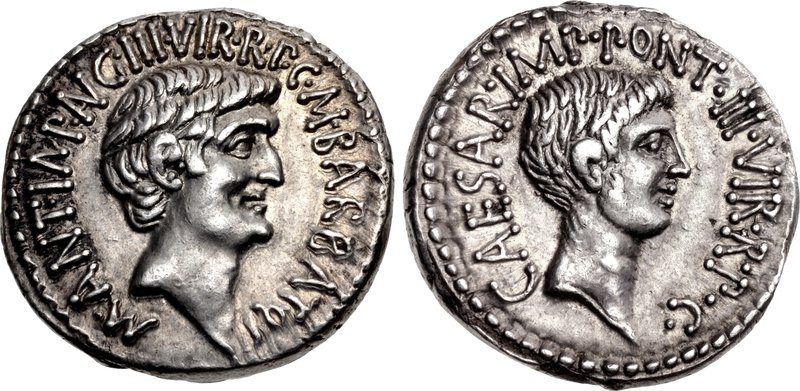
Let’s look at the actual archaeology. The coin they handed Him was the silver Denarius of Tiberius CaesarCaesar was the title used for the emperors of Rome, representing the highest political, military, and religious authority in the empire. In the New Testament, “Caesar” symbolizes earthly power, taxation, and imperial claims to divinity — forming the backdrop of Jesus’ teaching on allegiance in Matthew 22. More.
To a strict, 1st-century Jew, this coin was highly offensive. It violated the Second Commandment (graven images). The “superscription” (the writing on the coin) was pure blasphemyBlasphemy is any speech, action, or claim that dishonors God, profanes His name, or falsely attributes divine authority to oneself. In Scripture, blasphemy is a serious offense because it attacks God’s holiness, misrepresents His character, and undermines His rightful authority. More.
-
The front read: TI CAESARCaesar was the title used for the emperors of Rome, representing the highest political, military, and religious authority in the empire. In the New Testament, “Caesar” symbolizes earthly power, taxation, and imperial claims to divinity — forming the backdrop of Jesus’ teaching on allegiance in Matthew 22. More DIVI AUG F AUGUSTUS (“Tiberius CaesarCaesar was the title used for the emperors of Rome, representing the highest political, military, and religious authority in the empire. In the New Testament, “Caesar” symbolizes earthly power, taxation, and imperial claims to divinity — forming the backdrop of Jesus’ teaching on allegiance in Matthew 22. More, worshipful son of the god Augustus“).
-
The back read: PONTIFEX MAXIMUS (“High PriestThe High Priest was the highest-ranking religious leader in ancient Israel, appointed to represent the people before God and oversee the priesthood. Descended from Aaron, the High Priest alone could enter the Most Holy Place on the Day of Atonement to make atonement for the sins of the nation. The office pointed forward to the ultimate ministry of Jesus Christ,... More“).
When JesusJesus of Nazareth, also called the Christ or the Messiah, is the central figure of the New Testament and the fulfillment of God’s redemptive plan. Born in the line of David, He taught with divine authority, performed miracles, and revealed the kingdom of God. More asked, “Whose image is this?“, He forced them to admit they were carrying idolatrous, blasphemous Roman property inside the TempleThe Temple was the permanent house of worship built in Jerusalem to replace the Tabernacle as the central place of sacrifice, prayer, and covenant worship for Israel. It served as the dwelling place of God's presence among His people and became one of the most sacred locations in biblical history. The Temple pointed forward to the coming of the Messiah,... More precincts.
3. The Theological Override (The Law of the Eikon)
They answer JesusJesus of Nazareth, also called the Christ or the Messiah, is the central figure of the New Testament and the fulfillment of God’s redemptive plan. Born in the line of David, He taught with divine authority, performed miracles, and revealed the kingdom of God. More, “Caesar’s.”
Then JesusJesus of Nazareth, also called the Christ or the Messiah, is the central figure of the New Testament and the fulfillment of God’s redemptive plan. Born in the line of David, He taught with divine authority, performed miracles, and revealed the kingdom of God. More drops the ultimate theological and biological override.
(KJV):
“Then saith he unto them, Render therefore unto CaesarCaesar was the title used for the emperors of Rome, representing the highest political, military, and religious authority in the empire. In the New Testament, “Caesar” symbolizes earthly power, taxation, and imperial claims to divinity — forming the backdrop of Jesus’ teaching on allegiance in Matthew 22. More the things which are Caesar’s; and unto God the things that are God’s.”
Let’s look at the exact Greek words.
The word translated as “Render” is Apodidōmi (ἀποδίδωμι). It does not mean “to give a gift.” It is an accounting term that means to pay back a debt, or to return something to its rightful owner.
JesusJesus of Nazareth, also called the Christ or the Messiah, is the central figure of the New Testament and the fulfillment of God’s redemptive plan. Born in the line of David, He taught with divine authority, performed miracles, and revealed the kingdom of God. More is telling them: “This piece of metal has Caesar’s face stamped on it. It’s his trash. Give it back to him.”
But the second half of the sentence is the true masterpiece. To understand it, we must go back to the original source code in (KJV):
“And God said, Let us make man in our image, after our likeness… So God created man in his own image, in the image of God created he him…”
When JesusJesus of Nazareth, also called the Christ or the Messiah, is the central figure of the New Testament and the fulfillment of God’s redemptive plan. Born in the line of David, He taught with divine authority, performed miracles, and revealed the kingdom of God. More asked whose image (eikon in Greek) was on the coin, He was setting up a parallel.
-
The coin bears the image of CaesarCaesar was the title used for the emperors of Rome, representing the highest political, military, and religious authority in the empire. In the New Testament, “Caesar” symbolizes earthly power, taxation, and imperial claims to divinity — forming the backdrop of Jesus’ teaching on allegiance in Matthew 22. More, so the coin belongs to CaesarCaesar was the title used for the emperors of Rome, representing the highest political, military, and religious authority in the empire. In the New Testament, “Caesar” symbolizes earthly power, taxation, and imperial claims to divinity — forming the backdrop of Jesus’ teaching on allegiance in Matthew 22. More.
-
You bear the image of the Creator, therefore your entire being belongs to God.
JesusJesus of Nazareth, also called the Christ or the Messiah, is the central figure of the New Testament and the fulfillment of God’s redemptive plan. Born in the line of David, He taught with divine authority, performed miracles, and revealed the kingdom of God. More destroyed their political trap by establishing a biological and spiritual hierarchy. Give the paganPagan refers to the non‑Jewish, non‑Christian religious systems of the ancient world — polytheistic, idol‑centered, and rooted in nature worship, mythology, and regional deities. In Scripture, paganism represents worship directed toward created things rather than the Creator, and it forms the backdrop of Israel’s covenant struggle and the early church’s mission. More emperorThe Emperor was the supreme ruler of the Roman Empire, holding ultimate political, military, and religious authority. In the New Testament world, the emperor embodied Rome’s power, taxation, and imperial cult — forming the backdrop of Jesus’ teaching on allegiance and the early church’s mission. More his piece of metal—it has no eternal value. But give your life, your soul, your obedienceObedience is the active, willing alignment of one’s life with God’s commands, rooted in love, loyalty, and covenant faithfulness. In Scripture, obedience is not mechanical rule‑keeping but wholehearted devotion flowing from the Shema: loving God with all heart, soul, mind, and strength. More, and your worship back to the Lord God, because His superscription is stamped onto your very DNA.
Study & Memory Tool: C.O.I.N.
To lock this exact historical event and its profound theological meaning into your memory—so you can easily explain how JesusJesus of Nazareth, also called the Christ or the Messiah, is the central figure of the New Testament and the fulfillment of God’s redemptive plan. Born in the line of David, He taught with divine authority, performed miracles, and revealed the kingdom of God. More dismantled a political trap using Genesis—use the acronym C.O.I.N.
-
C – Catch-22 Trap: The PhariseesThe Pharisees were a prominent Jewish religious sect during the Second Temple period, known for their strict adherence to oral tradition, legal precision, and public displays of righteousness. They frequently clashed with Jesus, whose teachings exposed their hypocrisy, spiritual blindness, and misuse of Scripture. More (anti-tax) and HerodiansThe Herodians were a political faction in first‑century Judea aligned with the dynasty of Herod. They were not a religious sect but a group loyal to Herod’s rule and Roman authority. Their alliance with the Pharisees against Jesus reveals how political power can merge with religious influence to oppose God’s truth. More (pro-tax) united to force JesusJesus of Nazareth, also called the Christ or the Messiah, is the central figure of the New Testament and the fulfillment of God’s redemptive plan. Born in the line of David, He taught with divine authority, performed miracles, and revealed the kingdom of God. More into choosing between blasphemyBlasphemy is any speech, action, or claim that dishonors God, profanes His name, or falsely attributes divine authority to oneself. In Scripture, blasphemy is a serious offense because it attacks God’s holiness, misrepresents His character, and undermines His rightful authority. More (losing the crowd) or treason (execution by RomeRome was the dominant empire during the time of Jesus and the early church. Its political power, legal system, taxation, military presence, and cultural influence form the backdrop of the New Testament. Rome’s authority frames key events such as Jesus’ trial, Paul’s missionary journeys, and the destruction of Jerusalem. More).
-
O – Object Lesson: He asked for the physical coin. The Tiberius Denarius was idolatrous, claiming CaesarCaesar was the title used for the emperors of Rome, representing the highest political, military, and religious authority in the empire. In the New Testament, “Caesar” symbolizes earthly power, taxation, and imperial claims to divinity — forming the backdrop of Jesus’ teaching on allegiance in Matthew 22. More was the “son of a god.”
-
I – Image (Eikon): The pivot point. The coin bears the image of CaesarCaesar was the title used for the emperors of Rome, representing the highest political, military, and religious authority in the empire. In the New Testament, “Caesar” symbolizes earthly power, taxation, and imperial claims to divinity — forming the backdrop of Jesus’ teaching on allegiance in Matthew 22. More. Humanity bears the image of God ().
-
N – Net Result (Apodidōmi): “Render” means to return to the rightful owner. Give the metal back to RomeRome was the dominant empire during the time of Jesus and the early church. Its political power, legal system, taxation, military presence, and cultural influence form the backdrop of the New Testament. Rome’s authority frames key events such as Jesus’ trial, Paul’s missionary journeys, and the destruction of Jerusalem. More but return your life back to the Creator.
When we remove the religious gloss and examine the historical trap, the archaeology of the Roman denarius, and the biological reality of , we see JesusJesus of Nazareth, also called the Christ or the Messiah, is the central figure of the New Testament and the fulfillment of God’s redemptive plan. Born in the line of David, He taught with divine authority, performed miracles, and revealed the kingdom of God. More operating at an intellectual and spiritual level that left the brightest minds of His day completely speechless.


