Grace is a foundational concept in biblical theology, describing the unmerited favor and benevolent action of God toward humanity. It represents God’s initiative to restore, forgive, and redeem, not because of human worthiness or achievement, but because of His character and purpose. Throughout Scripture, grace is portrayed as the driving force behind God’s interactions with His people, shaping the covenant, the prophetic message, and ultimately the redemptive work accomplished through JesusJesus of Nazareth, also called the Christ or the Messiah, is the central figure of the New Testament and the fulfillment of God’s redemptive plan. Born in the line of David, He taught with divine authority, performed miracles, and revealed the kingdom of God. More Christ.
In the Old TestamentThe Old Testament is the first major division of the Christian Bible, containing the sacred writings of Israel — creation, covenant, law, prophecy, wisdom, and the entire pre‑Messianic history that prepares the way for Christ. More, grace appears in God’s willingness to remain faithful despite human failure. His patience with IsraelIsrael is the covenant people chosen by Yahweh, descended from Jacob, set apart to bear God’s name, receive His promises, and reveal His character to the nations. More, His provision in times of need, and His repeated calls to repentance all reflect a divine posture of mercy. Grace is seen in the preservation of Noah, the calling of AbrahamAbraham is the first patriarch of Israel, called by God to leave his homeland and become the father of a covenant people. His life marks the beginning of God’s redemptive plan through promise, faith, and obedience. More, the deliverance from EgyptEgypt is the powerful ancient civilization along the Nile that appears throughout Scripture as a place of refuge, oppression, and divine deliverance. It is central to the stories of Joseph, Moses, the Exodus, and later prophecies, symbolizing both worldly strength and the need for God’s redemption (Genesis 37–50; Exodus 1–14). More, and the continual restoration after periods of rebellion. These moments form a pattern of divine initiative — God acting first to make relationship possible.
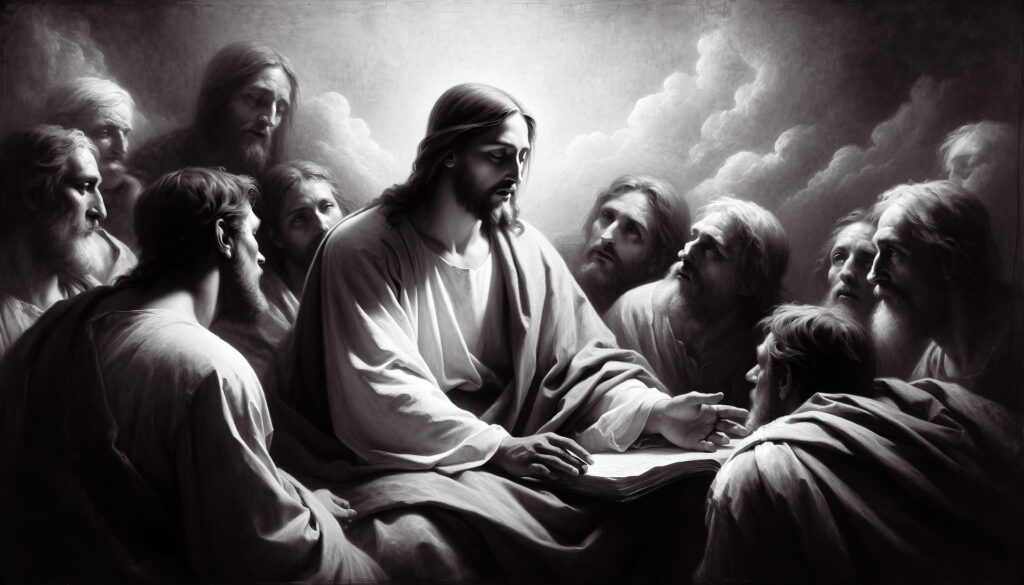
In the New TestamentThe New Testament is the collection of twenty‑seven inspired books revealing the fulfillment of God’s redemptive plan through Jesus Christ, the birth of the church, and the arrival of the new covenant promised in the Old Testament. More, grace reaches its fullest expression in JesusJesus of Nazareth, also called the Christ or the Messiah, is the central figure of the New Testament and the fulfillment of God’s redemptive plan. Born in the line of David, He taught with divine authority, performed miracles, and revealed the kingdom of God. More Christ. His life, teachings, death, and resurrectionResurrection is God’s act of raising the dead to new life — first seen in Christ’s victory over the grave, and ultimately fulfilled when all humanity is raised for judgment, transformation, and eternal destiny. More are presented as the ultimate act of divine generosity. Salvation is described as a gift, not earned by works but received through faithFaith is the act of trusting God’s character, promises, and redemptive work even before the outcome is seen. In Scripture, faith is not blind belief but a confident reliance on God’s truth, rooted in His past actions and revealed purpose. It is the foundation of the believer’s relationship with God and the driving force behind obedience, endurance, and hope.... More. Grace not only forgives sin but transforms the believer, empowering a new way of life aligned with God’s will. Early ChristianChristian refers to a follower of Jesus Christ — someone who believes in His death and resurrection, trusts Him as Lord and Savior, and lives under the New Covenant through the Holy Spirit. The term first appears in Antioch to describe disciples whose lives reflected Christ (Acts 11:26). More communities understood grace as the foundation of their identity, the source of unity, and the power behind spiritual growth.
Theologically, grace is inseparable from themes such as redemption, covenant, and the Arc of Redemption. It is the mechanism by which God bridges the gap created by sin, restoring what was lost and initiating the process of renewal. Grace reveals God’s heart — a willingness to pursue humanity, to heal what is broken, and to complete the redemptive arc that spans the entire biblical narrative.
Across history, grace has shaped ChristianChristian refers to a follower of Jesus Christ — someone who believes in His death and resurrection, trusts Him as Lord and Savior, and lives under the New Covenant through the Holy Spirit. The term first appears in Antioch to describe disciples whose lives reflected Christ (Acts 11:26). More doctrine, worship, and ethics, standing as one of the most profound and defining attributes of God’s relationship with humanity.