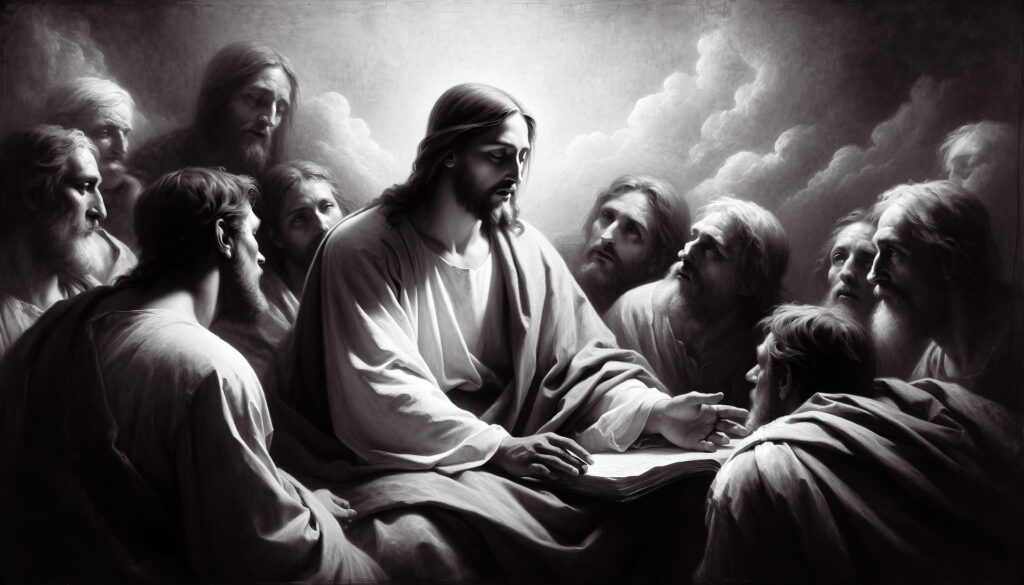
A Christian is a follower of JesusJesus of Nazareth, also called the Christ or the Messiah, is the central figure of the New Testament and the fulfillment of God’s redemptive plan. Born in the line of David, He taught with divine authority, performed miracles, and revealed the kingdom of God. More Christ — someone who believes in His death and resurrection, trusts Him as Lord, and lives within the New CovenantNew Covenant is the covenant established by Jesus through His sacrificial death and resurrection. It fulfills and surpasses the old covenant by providing forgiveness of sins, a transformed heart, and direct relationship with God through the Holy Spirit (Jeremiah 31:31–34; Luke 22:20; Hebrews 8–10). More established through His sacrifice. The term first appears in Antioch, where the disciples’ way of life so clearly reflected JesusJesus of Nazareth, also called the Christ or the Messiah, is the central figure of the New Testament and the fulfillment of God’s redemptive plan. Born in the line of David, He taught with divine authority, performed miracles, and revealed the kingdom of God. More that they were identified by His name. From the beginning, “Christian” described a person whose identity was rooted not in culture or heritage but in faithFaith is the act of trusting God’s character, promises, and redemptive work even before the outcome is seen. In Scripture, faith is not blind belief but a confident reliance on God’s truth, rooted in His past actions and revealed purpose. It is the foundation of the believer’s relationship with God and the driving force behind obedience, endurance, and hope.... More and allegiance to Christ.
To be Christian is to enter a transformed relationship with God through the Holy Spirit. Scripture describes believers as born again, adopted into God’s family, and set apart for His purpose. Their lives are shaped by trust in Christ’s work, obedience to His teaching, and participation in the community He established. The New CovenantNew Covenant is the covenant established by Jesus through His sacrificial death and resurrection. It fulfills and surpasses the old covenant by providing forgiveness of sins, a transformed heart, and direct relationship with God through the Holy Spirit (Jeremiah 31:31–34; Luke 22:20; Hebrews 8–10). More defines this identity, offering forgiveness, a renewed heart, and direct access to God through Christ’s eternal priesthood.
Historically and theologically, Christians are the people through whom God continues His redemptive work in the world. Their calling is to reflect Christ’s character, proclaim His message, and live in hope of His return. The term “Christian” therefore carries both personal meaning and covenant significance, marking those who belong to JesusJesus of Nazareth, also called the Christ or the Messiah, is the central figure of the New Testament and the fulfillment of God’s redemptive plan. Born in the line of David, He taught with divine authority, performed miracles, and revealed the kingdom of God. More and walk in His way.