The New Covenant is the climactic covenant in Scripture, established by JesusJesus of Nazareth, also called the Christ or the Messiah, is the central figure of the New Testament and the fulfillment of God’s redemptive plan. Born in the line of David, He taught with divine authority, performed miracles, and revealed the kingdom of God. More Christ and forming the foundation of ChristianChristian refers to a follower of Jesus Christ — someone who believes in His death and resurrection, trusts Him as Lord and Savior, and lives under the New Covenant through the Holy Spirit. The term first appears in Antioch to describe disciples whose lives reflected Christ (Acts 11:26). More faithFaith is the act of trusting God’s character, promises, and redemptive work even before the outcome is seen. In Scripture, faith is not blind belief but a confident reliance on God’s truth, rooted in His past actions and revealed purpose. It is the foundation of the believer’s relationship with God and the driving force behind obedience, endurance, and hope.... More. It fulfills the promises of the Old TestamentThe first major division of the Christian Bible, consisting of 39 books in the standard Protestant canon (and more in expanded canons such as the Ethiopian tradition). The Old Testament records God’s creation, covenants, laws, prophets, and the entire pre‑Messianic history of Israel. In the context of your page, the Old Testament provides the physics and architecture of the afterlife... More and inaugurates a new era of relationship between God and humanity — one grounded in grace, forgiveness, and the indwelling presence of the Holy Spirit.
The concept originates in , where God promises a future covenant unlike the one made at SinaiA mountain in the wilderness where God revealed Himself to Moses and gave Israel the Law, including the Ten Commandments. Sinai marks the formal establishment of God’s covenant with His people, accompanied by thunder, fire, cloud, and divine glory. The name represents revelation, covenant, holiness, and God’s direct communication with Israel during the Exodus. More. This new covenant would be written on the heart, marked by internal transformation rather than external regulation. It would bring true forgiveness and intimate knowledge of God.
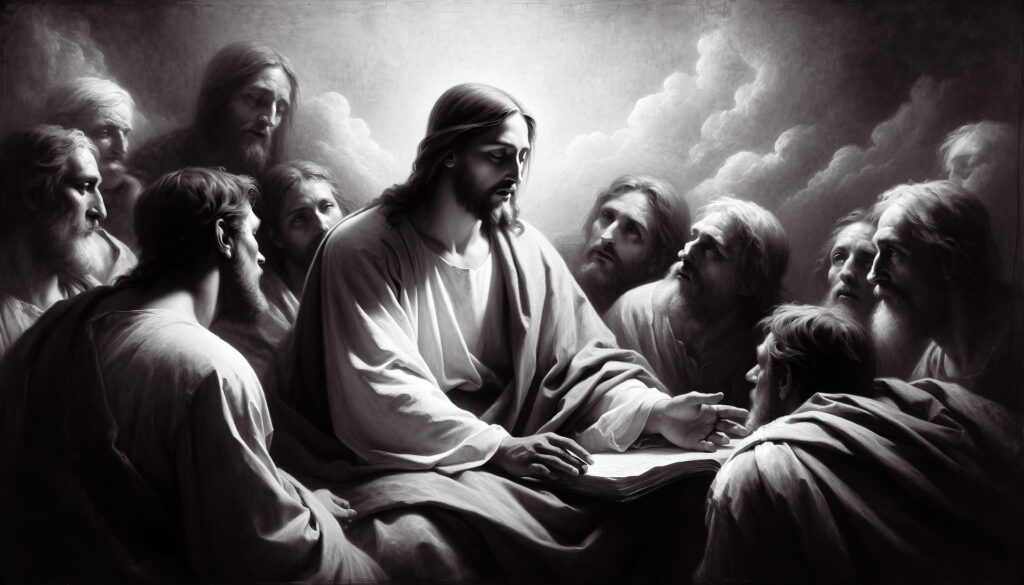
JesusJesus of Nazareth, also called the Christ or the Messiah, is the central figure of the New Testament and the fulfillment of God’s redemptive plan. Born in the line of David, He taught with divine authority, performed miracles, and revealed the kingdom of God. More declares the arrival of this covenant during the Last Supper, saying:
“This cup is the new covenant in My blood” ()
His sacrificial death becomes the covenant‑sealing act, just as blood sealed earlier covenants in the Old TestamentThe first major division of the Christian Bible, consisting of 39 books in the standard Protestant canon (and more in expanded canons such as the Ethiopian tradition). The Old Testament records God’s creation, covenants, laws, prophets, and the entire pre‑Messianic history of Israel. In the context of your page, the Old Testament provides the physics and architecture of the afterlife... More. Through His resurrection, the covenant is confirmed and opened to all who believe.
The book of Hebrews (chapters 8–10) provides the most detailed explanation of the New Covenant. It emphasizes several key truths:
- JesusJesus of Nazareth, also called the Christ or the Messiah, is the central figure of the New Testament and the fulfillment of God’s redemptive plan. Born in the line of David, He taught with divine authority, performed miracles, and revealed the kingdom of God. More is the mediator of the New Covenant.
- His priesthood is superior — in the order of MelchizedekMelchizedek is the mysterious priest‑king who blesses Abram in Genesis 14. He is “king of Salem” and “priest of God Most High,” appearing without genealogy and receiving Abram’s tithe. The New Testament identifies Melchizedek as a prophetic foreshadowing of Christ’s eternal priesthood (Genesis 14:18–20; Psalm 110:4; Hebrews 7). More.
- His sacrifice is once for all, replacing repeated animal offerings.
- The New Covenant brings complete forgiveness.
- The law is written on the heart, not just on stone.
- Believers gain direct access to God.
The New Covenant fulfills the patterns of the old while surpassing them in power and permanence. It transforms the relationship between God and humanity from one of external obedience to one of internal renewal.
Theologically, the New Covenant represents:
- Fulfillment — completing the promises made to AbrahamAbraham is the first patriarch of Israel, called by God to leave his homeland and become the father of a covenant people. His life marks the beginning of God’s redemptive plan through promise, faith, and obedience. More, Moses, and DavidIsrael’s second king and one of the most central figures in Scripture. Known as a shepherd, warrior, poet, and “a man after God’s own heart,” David united the tribes of Israel, established Jerusalem as the capital, and received the Davidic Covenant, promising that his throne would be established forever — ultimately fulfilled in Jesus, the Son of David. David’s life... More
- Transformation — changing the heart through the Spirit
- Access — granting believers direct relationship with God
- Forgiveness — removing sin rather than merely covering it
- Priesthood — establishing Christ as eternal High Priest
The New Covenant is the center of the Arc of Redemption — the moment where prophecy, priesthood, sacrifice, and promise converge in the person of JesusJesus of Nazareth, also called the Christ or the Messiah, is the central figure of the New Testament and the fulfillment of God’s redemptive plan. Born in the line of David, He taught with divine authority, performed miracles, and revealed the kingdom of God. More Christ.