In Scripture, resurrection is the central hope of God’s people. It is not merely the survival of the soul after death, but the restoration of embodied life by God’s power. The Old TestamentThe Old Testament is the first major division of the Christian Bible, containing the sacred writings of Israel — creation, covenant, law, prophecy, wisdom, and the entire pre‑Messianic history that prepares the way for Christ. More anticipates this hope: Daniel declares that “many who sleep in the dust of the earth shall awake” (), and Job proclaims that in his flesh he will see God (). Resurrection is woven into the fabric of biblical expectation long before Christ arrives.
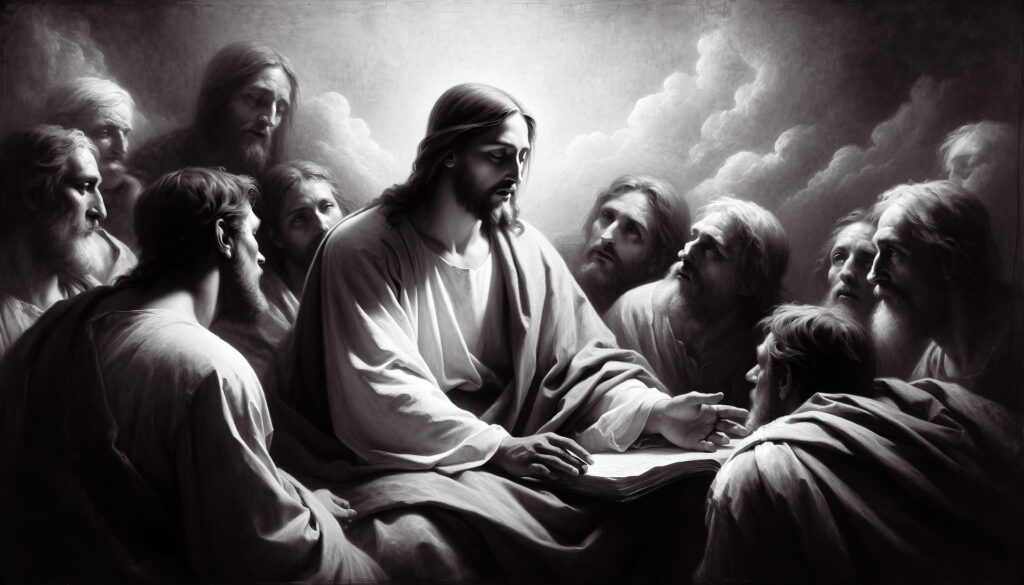
The turning point comes with JesusJesus of Nazareth, also called the Christ or the Messiah, is the central figure of the New Testament and the fulfillment of God’s redemptive plan. Born in the line of David, He taught with divine authority, performed miracles, and revealed the kingdom of God. More Christ, whose resurrection is the foundation of the ChristianChristian refers to a follower of Jesus Christ — someone who believes in His death and resurrection, trusts Him as Lord and Savior, and lives under the New Covenant through the Holy Spirit. The term first appears in Antioch to describe disciples whose lives reflected Christ (Acts 11:26). More faithFaith is the act of trusting God’s character, promises, and redemptive work even before the outcome is seen. In Scripture, faith is not blind belief but a confident reliance on God’s truth, rooted in His past actions and revealed purpose. It is the foundation of the believer’s relationship with God and the driving force behind obedience, endurance, and hope.... More. PaulPaul is the apostle who carried the message of Jesus into the Gentile world, transforming early Christianity through his missionary journeys, his letters, and his profound teaching on grace, faith, and the New Covenant. More states plainly: “If Christ has not been raised, your faithFaith is the act of trusting God’s character, promises, and redemptive work even before the outcome is seen. In Scripture, faith is not blind belief but a confident reliance on God’s truth, rooted in His past actions and revealed purpose. It is the foundation of the believer’s relationship with God and the driving force behind obedience, endurance, and hope.... More is futile” (). Jesus’ resurrection is both historical and transformative — He rises bodily, leaving an empty tomb, appearing to His disciples, and demonstrating that death has been defeated. His resurrection is the firstfruits of all who will be raised (), guaranteeing the future resurrection of the saintsSaints are God’s covenant people — those set apart, made righteous by His provision, and belonging to Him by faith. In Scripture, the term describes both the righteous dead of the Old Testament and the redeemed living under the new covenant. More.
Resurrection also reshapes the afterlife structure. Before Christ’s victory, the righteous dead were held in Abraham’s BosomAbraham’s Bosom is the place of comfort within Sheol where the righteous dead were held before Christ’s resurrection. It is the Old Testament “Paradise,” later emptied when Jesus liberated the saints and relocated them to the Third Heaven. More within SheolSheol is the ancient Hebrew term for the realm of the dead — a shadowy, silent, unseen place beneath the earth where all people go after death, both righteous and wicked. It is not equivalent to the later Christian concept of Hell, but the neutral holding place of the departed. More. After His descent and triumph, Christ relocates ParadiseParadise is the realm of comfort and blessing for the righteous dead — first located within Sheol (Abraham’s Bosom) and now, after Christ’s resurrection, relocated to the Third Heaven, the direct presence of God. More to the Third HeavenThe Third Heaven is the highest realm of God’s presence — the dwelling place of the Lord, the location of Paradise after Christ’s resurrection, and the destination of the redeemed upon death. More, bringing the saintsSaints are God’s covenant people — those set apart, made righteous by His provision, and belonging to Him by faith. In Scripture, the term describes both the righteous dead of the Old Testament and the redeemed living under the new covenant. More into God’s presence (; ). This means believers now enter the Lord’s presence immediately upon death, awaiting the resurrection of the body.
The final resurrection occurs at Christ’s return. All humanity — righteous and wicked — will be raised. The righteous will receive glorified, incorruptible bodies (), fit for eternal life in God’s kingdom. The wicked will be raised for judgment (), their destiny determined by the justice of God. Resurrection is universal, but its outcomes differ.
Resurrection is therefore the hinge of biblical theology: the triumph of Christ, the hope of believers, the renewal of creation, and the moment when death itself is undone.
Because resurrection stands at the center of God’s redemptive plan, it naturally highlights several core realities:
- Anticipated in the Old TestamentThe Old Testament is the first major division of the Christian Bible, containing the sacred writings of Israel — creation, covenant, law, prophecy, wisdom, and the entire pre‑Messianic history that prepares the way for Christ. More as the awakening of those who “sleep in the dust” ()
- Fulfilled first in Christ, the “firstfruits” of all who will be raised ()
- Opens the way for believers to enter God’s presence immediately upon death ()
- Guarantees glorified, incorruptible bodies for the redeemed ()
- Includes a universal resurrection for both righteous and wicked ()