The Second Temple era begins when the Jewish exiles return from Babylon under ZerubbabelZerubbabel is the post‑exilic governor of Judah who leads the first wave of returnees from Babylon and oversees the rebuilding of the Second Temple. He stands as a symbol of restoration, covenant continuity, and Messianic hope. More, following the decree of Cyrus (). The first temple built by SolomonSolomon is the son of David and Bathsheba and the third king of Israel, remembered for his God‑given wisdom, his vast building projects, and the construction of the First Temple in Jerusalem. His reign begins in peace and glory but ends in compromise, setting the stage for the division of the kingdom. More had been destroyed by Nebuchadnezzar in 586 BC, leaving IsraelIsrael is the covenant people chosen by Yahweh, descended from Jacob, set apart to bear God’s name, receive His promises, and reveal His character to the nations. More without its sacred center. The rebuilding of the temple marks the renewal of covenant life, worship, sacrifice, and national identity.
The initial structure — often called Zerubbabel’s Temple — was modest compared to Solomon’s. Older Israelites wept when they saw its foundation (), remembering the former glory. Yet God assures them through Haggai that “the glory of this latter house shall be greater than the former” (), pointing forward to the coming of the MessiahMessiah means “Anointed One,” the promised deliverer foretold throughout the Hebrew Scriptures. In the New Testament, Jesus is revealed as this Messiah — the fulfillment of prophecy, the bearer of God’s kingdom, and the one who accomplishes redemption through His life, death, and resurrection (Isaiah 9:6–7; Daniel 9:25; John 4:25–26). More who would enter its courts.
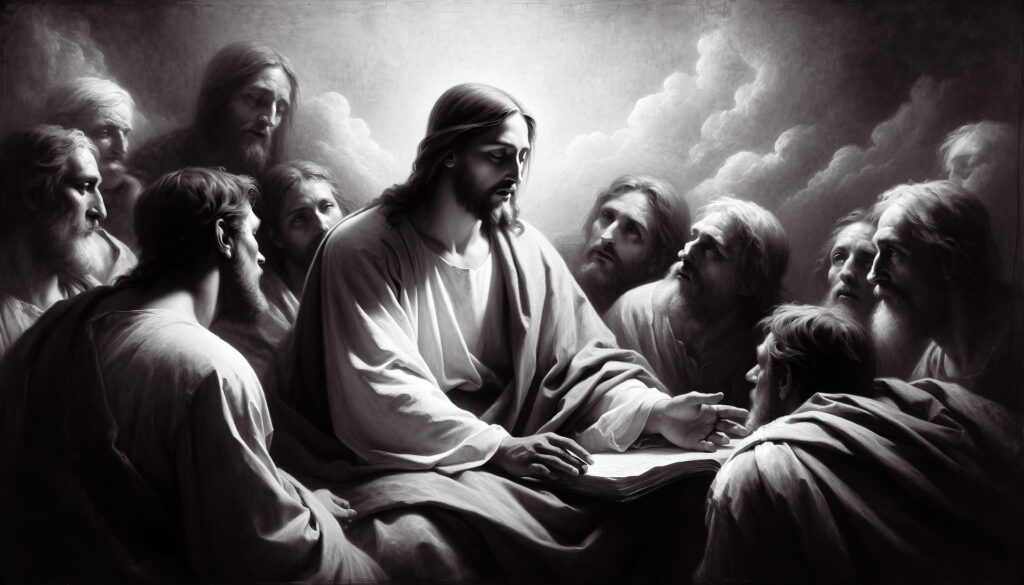
Centuries later, Herod the Great dramatically expands and beautifies the temple, transforming it into one of the most magnificent structures in the ancient world. This renovated form is what the New TestamentThe New Testament is the collection of twenty‑seven inspired books revealing the fulfillment of God’s redemptive plan through Jesus Christ, the birth of the church, and the arrival of the new covenant promised in the Old Testament. More calls “the Temple,” the place where JesusJesus of Nazareth, also called the Christ or the Messiah, is the central figure of the New Testament and the fulfillment of God’s redemptive plan. Born in the line of David, He taught with divine authority, performed miracles, and revealed the kingdom of God. More teaches, drives out money changers, confronts religious leaders, and prophesies its destruction ().
The Second Temple period is the crucible of Jewish theology. During this era:
- The Hebrew Scriptures are collected, copied, and canonized
- Synagogues emerge as centers of teaching
- Sects such as Pharisees, Sadducees, Essenes, and Zealots develop
- Apocalyptic literature flourishes (Daniel, Enochic writings, Jubilees)
- Messianic expectation intensifies
It is also the era of cosmic‑geography clarity, where ideas about angelsAngels are spiritual beings created by God to serve His purposes — messengers, guardians, warriors, and worshipers who carry out His will in both the heavenly realm and the earthly world. More, demonsDemons are hostile spiritual beings opposed to God, operating under Satan’s authority. Scripture portrays them as corrupt, deceptive, and destructive, yet fully subject to Christ’s power and unable to resist His command. More, the divine councilThe Divine Council is the heavenly assembly of sons of God who participate in YHVH’s governance of creation. Scripture reveals this council in moments where God judges, decrees, or interacts with other divine beings. More, the WatchersWatchers are high‑ranking sons of God (bene elohim) who oversee nations and realms in the biblical cosmic‑geography worldview. Some remained loyal to YHVH, while others rebelled — including the Genesis 6 Watchers who violated boundaries and produced the Nephilim. More, resurrectionResurrection is God’s act of raising the dead to new life — first seen in Christ’s victory over the grave, and ultimately fulfilled when all humanity is raised for judgment, transformation, and eternal destiny. More, and final judgment become sharply defined — the theological world JesusJesus of Nazareth, also called the Christ or the Messiah, is the central figure of the New Testament and the fulfillment of God’s redemptive plan. Born in the line of David, He taught with divine authority, performed miracles, and revealed the kingdom of God. More and the apostles speak into.
The Second Temple is ultimately destroyed by Rome in AD 70, fulfilling Jesus’ prophecy that “not one stone will be left upon another” (). Its fall marks the end of sacrificial worship and the beginning of Judaism’s rabbinic era. For Christians, the destruction underscores that Christ Himself is the true temple — the dwelling place of God with humanity ().
Because the Second Temple stands at the center of Jewish worship, Scripture formation, and Messianic expectation, it naturally highlights several core realities:
- Rebuilt after the exile under ZerubbabelZerubbabel is the post‑exilic governor of Judah who leads the first wave of returnees from Babylon and oversees the rebuilding of the Second Temple. He stands as a symbol of restoration, covenant continuity, and Messianic hope. More (Ezra 1–3)
- Promised greater glory through Haggai’s prophecy ()
- Expanded magnificently by Herod the Great
- The temple JesusJesus of Nazareth, also called the Christ or the Messiah, is the central figure of the New Testament and the fulfillment of God’s redemptive plan. Born in the line of David, He taught with divine authority, performed miracles, and revealed the kingdom of God. More taught in, cleansed, and prophesied against ()
- Destroyed in AD 70, marking the shift to the rabbinic era
- The theological world in which JesusJesus of Nazareth, also called the Christ or the Messiah, is the central figure of the New Testament and the fulfillment of God’s redemptive plan. Born in the line of David, He taught with divine authority, performed miracles, and revealed the kingdom of God. More and the apostles ministered