The title Lord of Spirits highlights God’s absolute sovereignty over the invisible world. While Scripture frequently calls God “Lord of Hosts” (YHWH Sabaoth), meaning Commander of the heavenly armies, ancient Jewish writings — especially 1 EnochEnoch is the pre‑Flood patriarch who “walked with God” and was taken without seeing death. In biblical theology, he becomes the earliest prophetic witness to the rebellion of the Watchers, the coming judgment, and the structure of the unseen realm. More — use the title Lord of Spirits to emphasize His rule over every spiritual being, righteous or rebellious.
In 1 EnochEnoch is the pre‑Flood patriarch who “walked with God” and was taken without seeing death. In biblical theology, he becomes the earliest prophetic witness to the rebellion of the Watchers, the coming judgment, and the structure of the unseen realm. More, the phrase appears repeatedly as a formal divine name. It portrays God as the One who judges the WatchersWatchers are high‑ranking sons of God (bene elohim) who oversee nations and realms in the biblical cosmic‑geography worldview. Some remained loyal to YHVH, while others rebelled — including the Genesis 6 Watchers who violated boundaries and produced the Nephilim. More, commands the holy angelsAngels are spiritual beings created by God to serve His purposes — messengers, guardians, warriors, and worshipers who carry out His will in both the heavenly realm and the earthly world. More, oversees the destinies of souls, and governs the cosmic order. The title underscores that no spiritual entity — whether loyal or fallen — operates outside His authority.
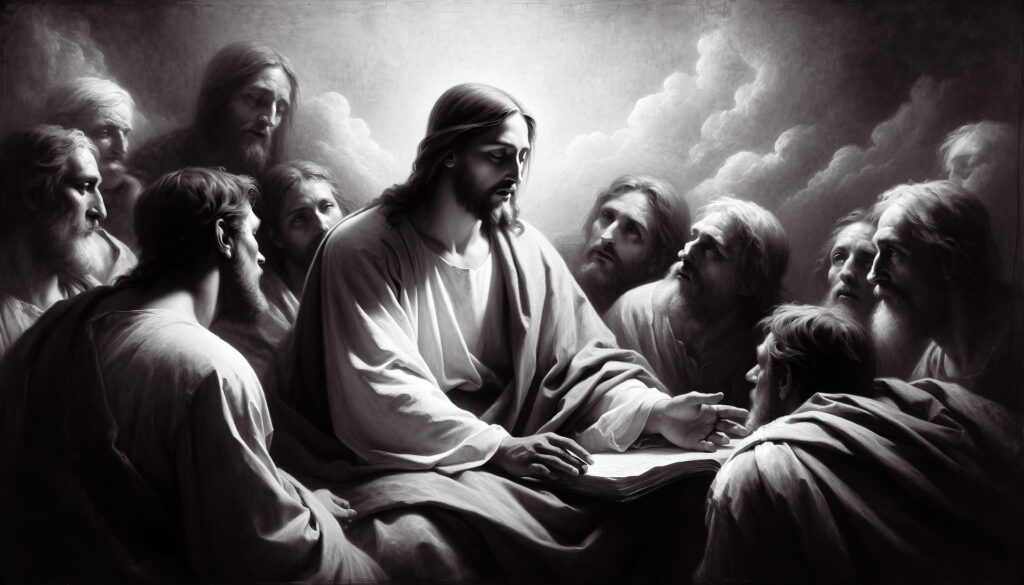
This concept aligns with the biblical worldview. Scripture teaches that God created all spiritual beings, including angelsAngels are spiritual beings created by God to serve His purposes — messengers, guardians, warriors, and worshipers who carry out His will in both the heavenly realm and the earthly world. More and the “Sons of God” (; ). He presides over the divine councilThe Divine Council is the heavenly assembly of sons of God who participate in YHVH’s governance of creation. Scripture reveals this council in moments where God judges, decrees, or interacts with other divine beings. More (), commands the heavenly hosts (), and judges rebellious powers (; ). The New TestamentThe New Testament is the collection of twenty‑seven inspired books revealing the fulfillment of God’s redemptive plan through Jesus Christ, the birth of the church, and the arrival of the new covenant promised in the Old Testament. More affirms that Christ Himself is exalted “far above all rule and authority and power and dominion” (), revealing that the Lord of Spirits is fully expressed in the person of JesusJesus of Nazareth, also called the Christ or the Messiah, is the central figure of the New Testament and the fulfillment of God’s redemptive plan. Born in the line of David, He taught with divine authority, performed miracles, and revealed the kingdom of God. More.
The title also reflects God’s role as the judge of both humans and angelsAngels are spiritual beings created by God to serve His purposes — messengers, guardians, warriors, and worshipers who carry out His will in both the heavenly realm and the earthly world. More. In Enoch’s visions, the Lord of Spirits decrees the fate of the WatchersWatchers are high‑ranking sons of God (bene elohim) who oversee nations and realms in the biblical cosmic‑geography worldview. Some remained loyal to YHVH, while others rebelled — including the Genesis 6 Watchers who violated boundaries and produced the Nephilim. More, the destiny of the righteous, and the final judgment of the wicked. This matches the biblical teaching that God will judge both angelsAngels are spiritual beings created by God to serve His purposes — messengers, guardians, warriors, and worshipers who carry out His will in both the heavenly realm and the earthly world. More and men ().
In theological terms, Lord of Spirits emphasizes:
- God’s supremacy over the unseen realm
- His authority to judge spiritual beings
- His governance of the divine councilThe Divine Council is the heavenly assembly of sons of God who participate in YHVH’s governance of creation. Scripture reveals this council in moments where God judges, decrees, or interacts with other divine beings. More
- His command over angelsAngels are spiritual beings created by God to serve His purposes — messengers, guardians, warriors, and worshipers who carry out His will in both the heavenly realm and the earthly world. More and heavenly hosts
- His ultimate rule expressed through Christ
Because the title “Lord of Spirits” captures God’s dominion over all spiritual beings and the entire unseen realm, it naturally highlights several core realities:
- A divine title used prominently in 1 EnochEnoch is the pre‑Flood patriarch who “walked with God” and was taken without seeing death. In biblical theology, he becomes the earliest prophetic witness to the rebellion of the Watchers, the coming judgment, and the structure of the unseen realm. More
- Emphasizes God’s authority over angelsAngels are spiritual beings created by God to serve His purposes — messengers, guardians, warriors, and worshipers who carry out His will in both the heavenly realm and the earthly world. More, WatchersWatchers are high‑ranking sons of God (bene elohim) who oversee nations and realms in the biblical cosmic‑geography worldview. Some remained loyal to YHVH, while others rebelled — including the Genesis 6 Watchers who violated boundaries and produced the Nephilim. More, and all spiritual powers
- Aligns with biblical titles like Lord of Hosts ()
- Reflects God’s role as judge of both humans and angelsAngels are spiritual beings created by God to serve His purposes — messengers, guardians, warriors, and worshipers who carry out His will in both the heavenly realm and the earthly world. More ()
- Fully manifested in Christ, exalted above all powers ()