A Truth Seeker is someone whose heart longs for God, pursues wisdom, and desires righteousnessRighteousness is the state of being aligned with God’s character, will, and moral order. In Scripture, righteousness is both a standard and a relationship — living in harmony with God’s truth and receiving the right standing He provides through grace. It reflects integrity, justice, and faithful obedience shaped by God rather than human merit. More. Scripture highlights men and women who sought God sincerely — not because they were perfect, but because they aligned themselves with His Word and trusted Him to guide their search
Throughout the Bible, God responds to those who seek Him with sincerity. Truth seekers are marked not by flawless lives, but by a heart posture that turns toward God, listens for His voice, and pursues His ways even when the path is difficult. Their stories reveal that God delights in revealing Himself to those who hunger for truth.
DavidDavid is Israel’s second king — a shepherd, warrior, poet, and the central human figure in the Messianic line. Scripture presents him as “a man after God’s own heart,” whose life reveals covenant loyalty, repentance, worship, and the promise of an everlasting throne. More is one of Scripture’s clearest examples. He writes, “O God, thou art my God; early will I seek thee” (). His longing was not for power or comfort but for God’s presence. His soul thirsted for God in a dry and weary land, showing that truth seeking begins with desire.
Moses demonstrates the same pursuit. When God offered IsraelIsrael is the covenant people chosen by Yahweh, descended from Jacob, set apart to bear God’s name, receive His promises, and reveal His character to the nations. More an angel to lead them, Moses refused unless God Himself went with them. “If Thy presence go not with me, carry us not up hence” (). Moses sought not merely guidance, but God Himself — the presence that defines truth.
SolomonSolomon is the son of David and Bathsheba and the third king of Israel, remembered for his God‑given wisdom, his vast building projects, and the construction of the First Temple in Jerusalem. His reign begins in peace and glory but ends in compromise, setting the stage for the division of the kingdom. More sought truth through wisdom. When given the chance to ask for anything, he requested understanding to govern God’s people. His pursuit pleased God, who granted him unparalleled wisdom. SolomonSolomon is the son of David and Bathsheba and the third king of Israel, remembered for his God‑given wisdom, his vast building projects, and the construction of the First Temple in Jerusalem. His reign begins in peace and glory but ends in compromise, setting the stage for the division of the kingdom. More shows that truth seekers value discernment over personal gain.
The prophets embody truth seeking through righteousnessRighteousness is the state of being aligned with God’s character, will, and moral order. In Scripture, righteousness is both a standard and a relationship — living in harmony with God’s truth and receiving the right standing He provides through grace. It reflects integrity, justice, and faithful obedience shaped by God rather than human merit. More. Zephaniah calls God’s people to “seek the LORD… seek righteousnessRighteousness is the state of being aligned with God’s character, will, and moral order. In Scripture, righteousness is both a standard and a relationship — living in harmony with God’s truth and receiving the right standing He provides through grace. It reflects integrity, justice, and faithful obedience shaped by God rather than human merit. More, seek humility” (). AmosAmos is a shepherd‑prophet from Tekoa whom God sent to confront the northern kingdom of Israel. His message exposes injustice, empty worship, and national pride, calling the people back to righteousness and warning of coming judgment. More urges them to “seek good, and not evil, that ye may live” (). Their pursuit of moral truth often cost them comfort, yet they remained faithful.
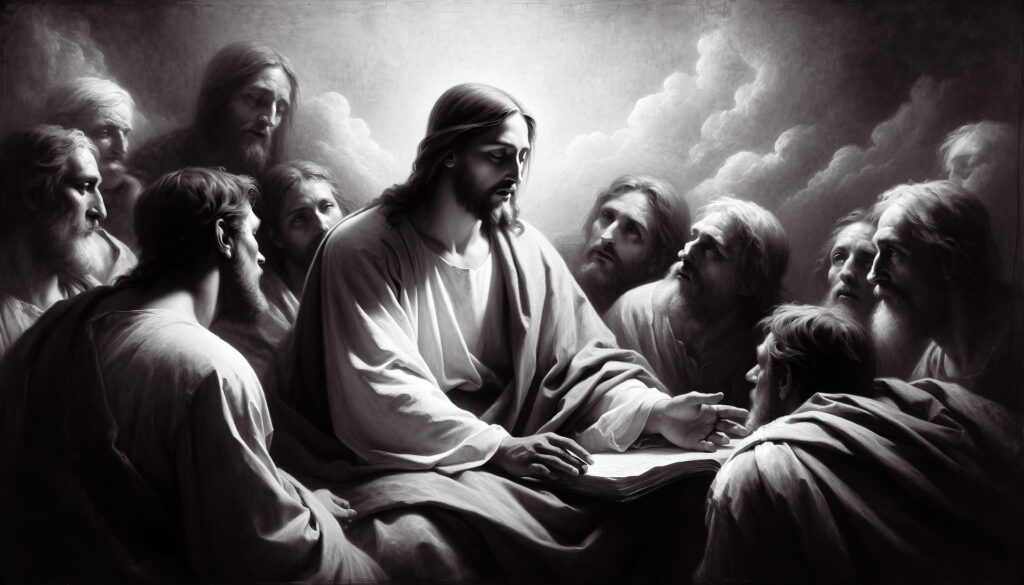
JesusJesus of Nazareth, also called the Christ or the Messiah, is the central figure of the New Testament and the fulfillment of God’s redemptive plan. Born in the line of David, He taught with divine authority, performed miracles, and revealed the kingdom of God. More is the ultimate Truth Seeker — and the embodiment of truth itself. He declares, “I am the way, the truth, and the life” (), and promises that those who follow Him will know the truth and be set free (). In Him, truth is not merely discovered; it is revealed.
The psalmist echoes this pursuit with a prayer: “Lead me in Thy truth, and teach me” (). Truth seekers do not rely on their own understanding; they ask God to guide them daily.
Together, these figures show that truth seeking is a lifelong pursuit. It is rooted in longing, sustained by humility, and fulfilled by God’s faithfulness. Truth seekers align themselves with God’s Word, pursue His presence, and trust Him to complete what He begins.
Key Realities
- DavidDavid is Israel’s second king — a shepherd, warrior, poet, and the central human figure in the Messianic line. Scripture presents him as “a man after God’s own heart,” whose life reveals covenant loyalty, repentance, worship, and the promise of an everlasting throne. More sought God’s presence with longing ()
- Moses sought God’s presence above all else ()
- SolomonSolomon is the son of David and Bathsheba and the third king of Israel, remembered for his God‑given wisdom, his vast building projects, and the construction of the First Temple in Jerusalem. His reign begins in peace and glory but ends in compromise, setting the stage for the division of the kingdom. More sought wisdom to govern rightly ()
- Prophets sought righteousnessRighteousness is the state of being aligned with God’s character, will, and moral order. In Scripture, righteousness is both a standard and a relationship — living in harmony with God’s truth and receiving the right standing He provides through grace. It reflects integrity, justice, and faithful obedience shaped by God rather than human merit. More and called others to it (; )
- JesusJesus of Nazareth, also called the Christ or the Messiah, is the central figure of the New Testament and the fulfillment of God’s redemptive plan. Born in the line of David, He taught with divine authority, performed miracles, and revealed the kingdom of God. More embodies truth and reveals it (; )
- The psalmist sought daily guidance in truth ()
- Truth seekers pursue God sincerely and are rewarded